

 Inglés
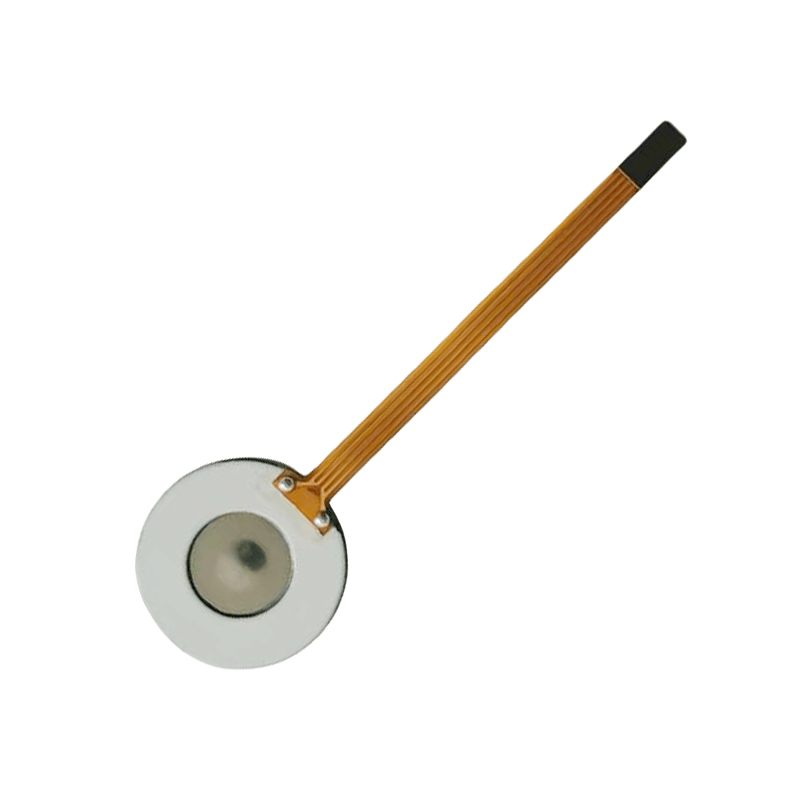
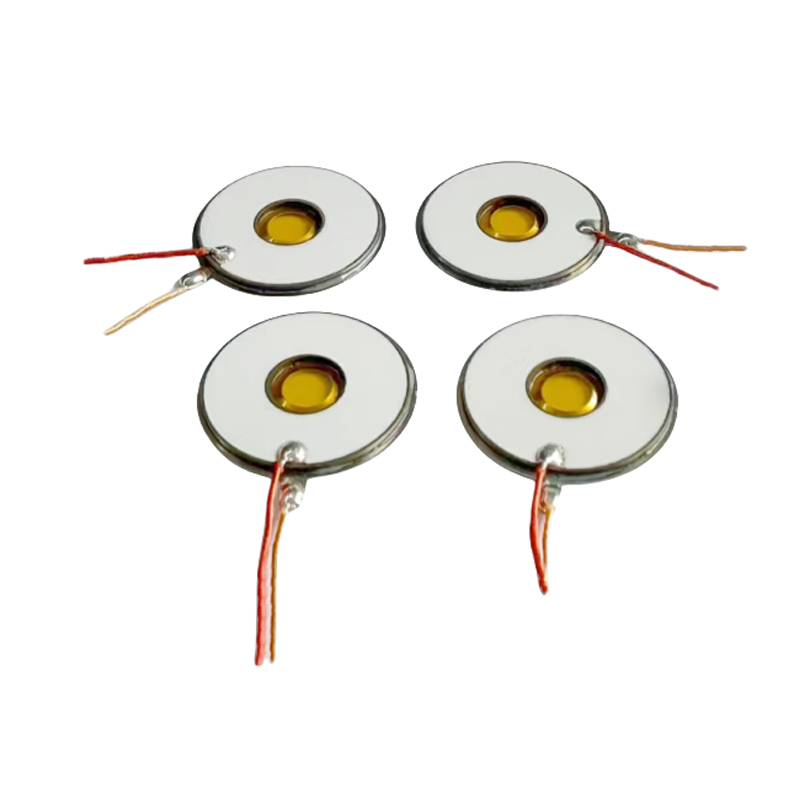
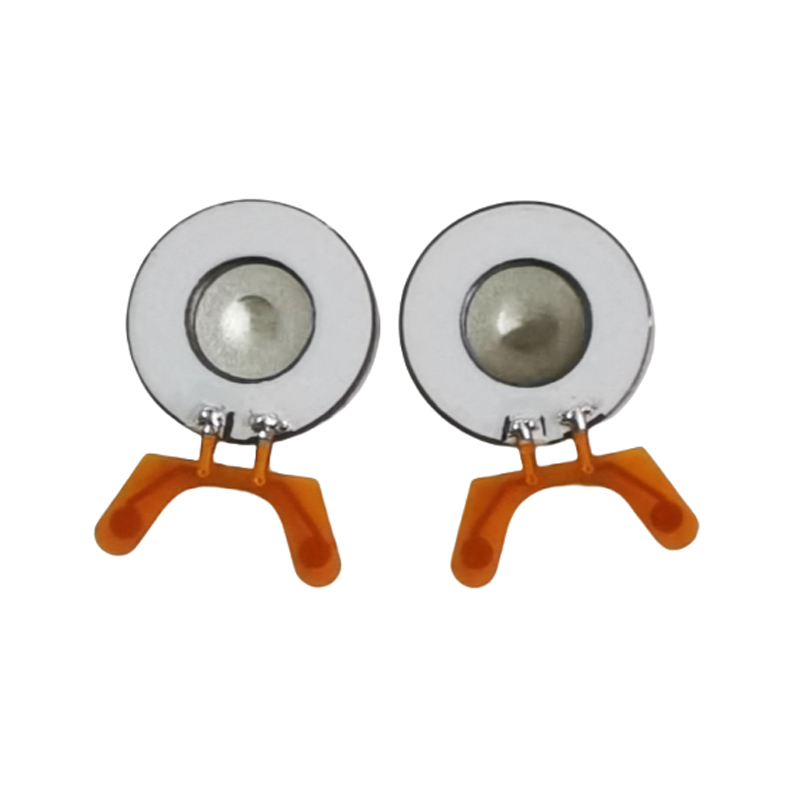
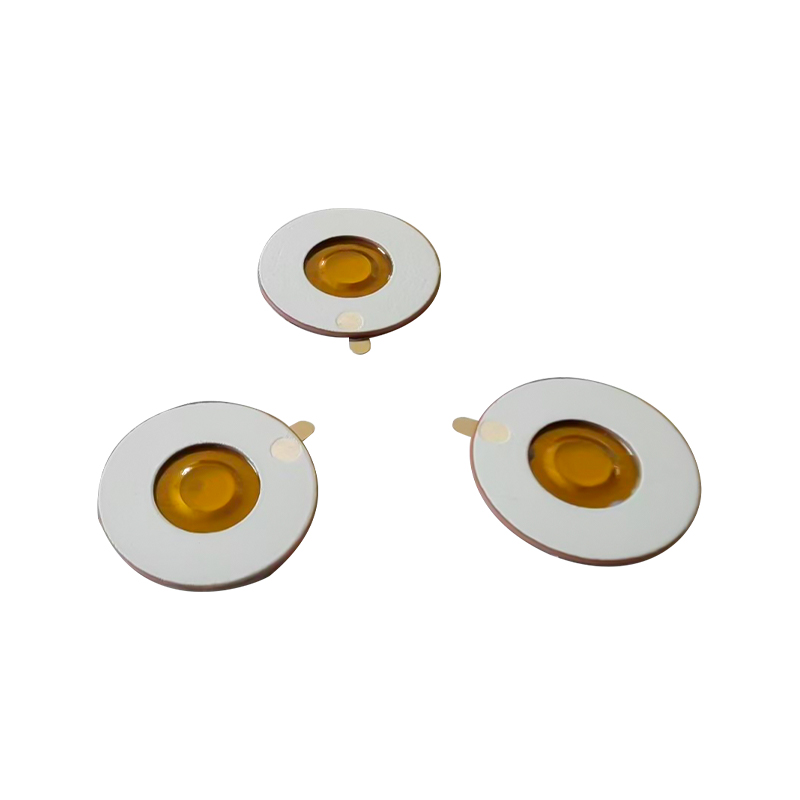
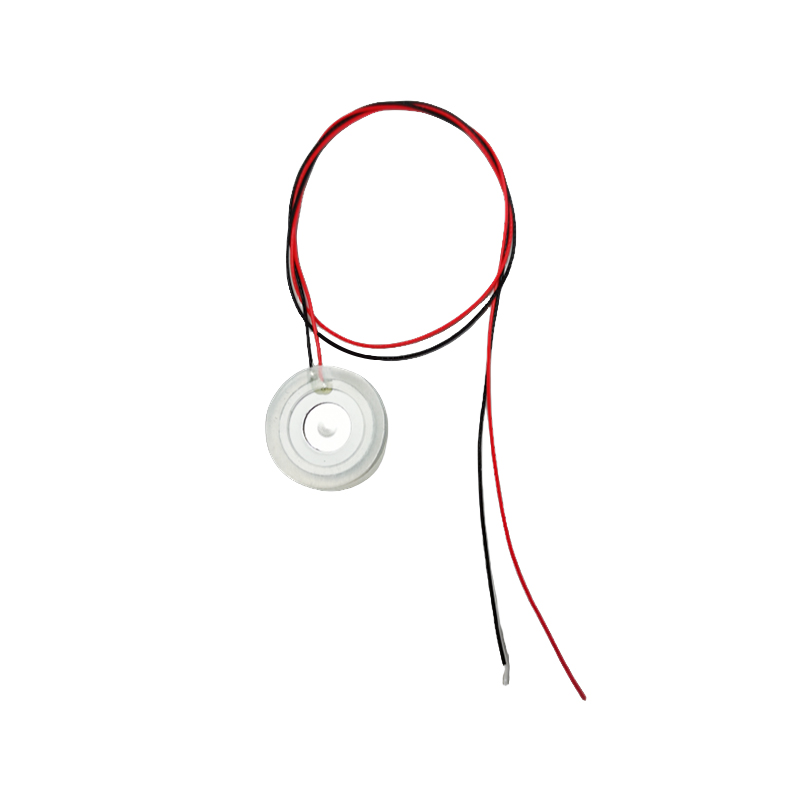
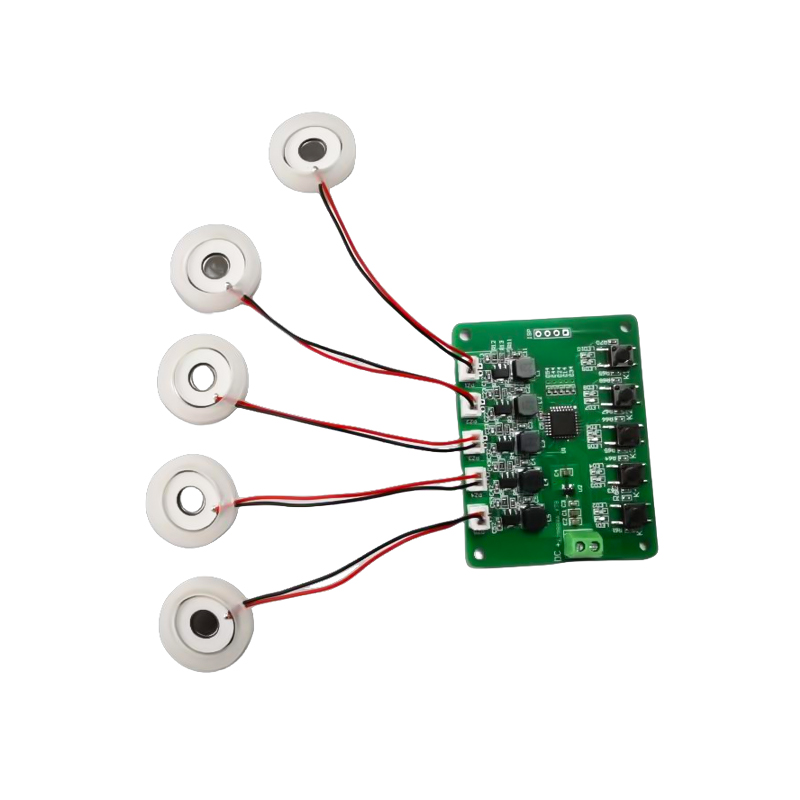
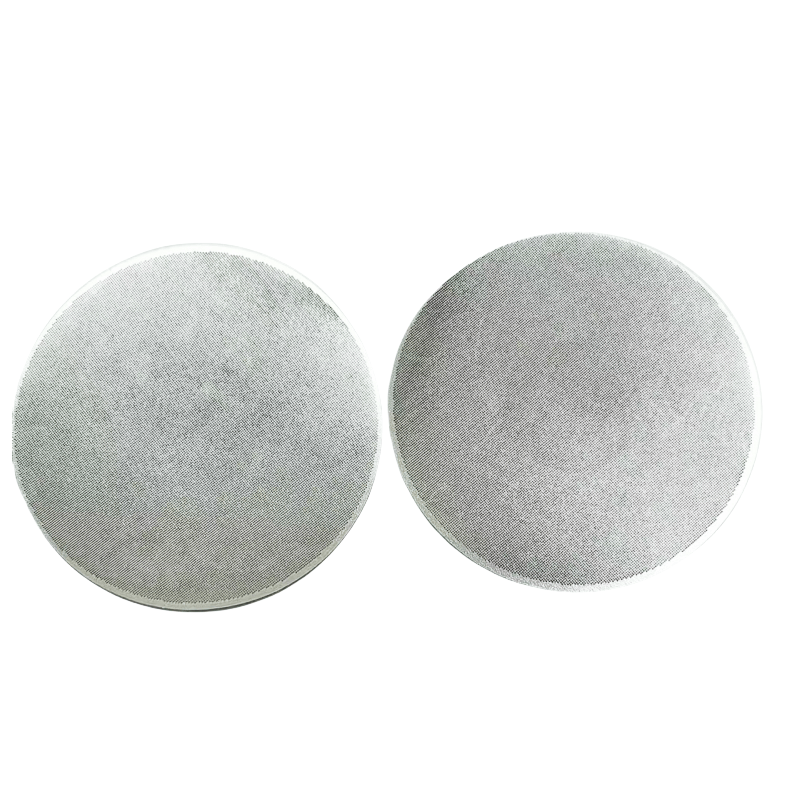
Tecnología de procesamiento de microagujeros láser de precisión Fabricantes
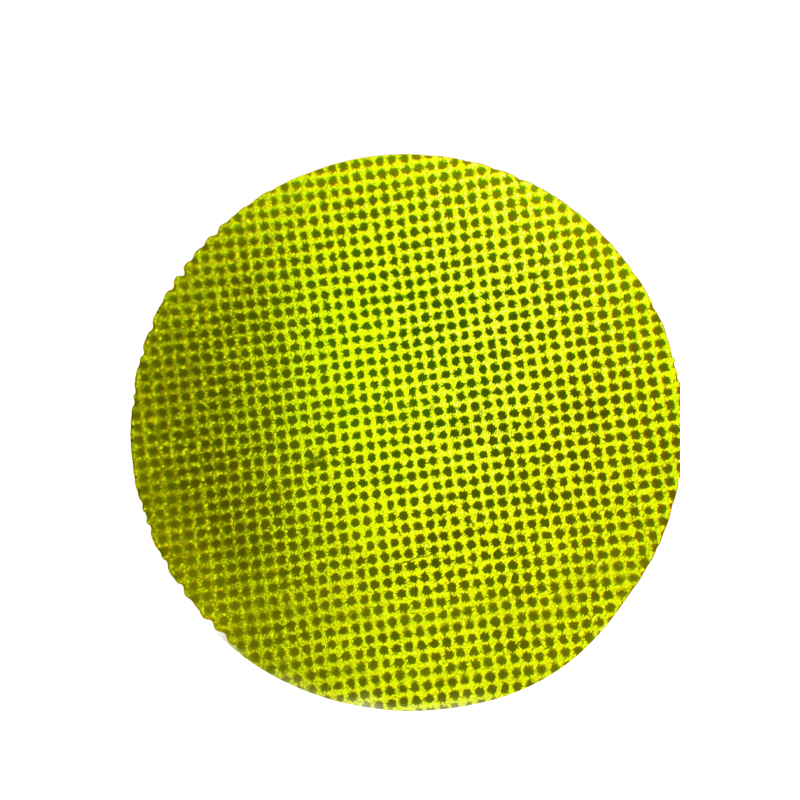
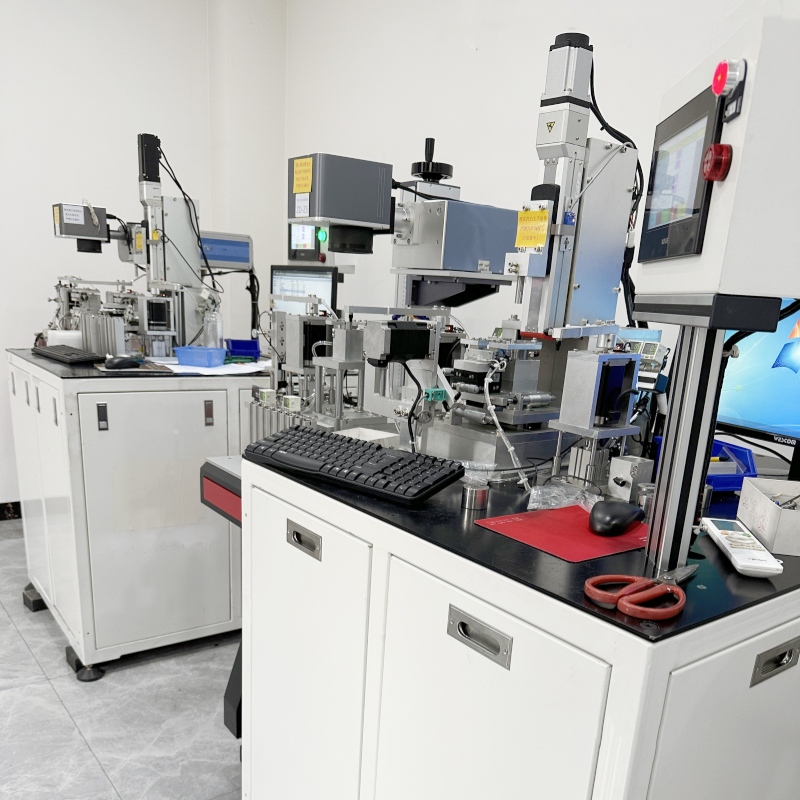
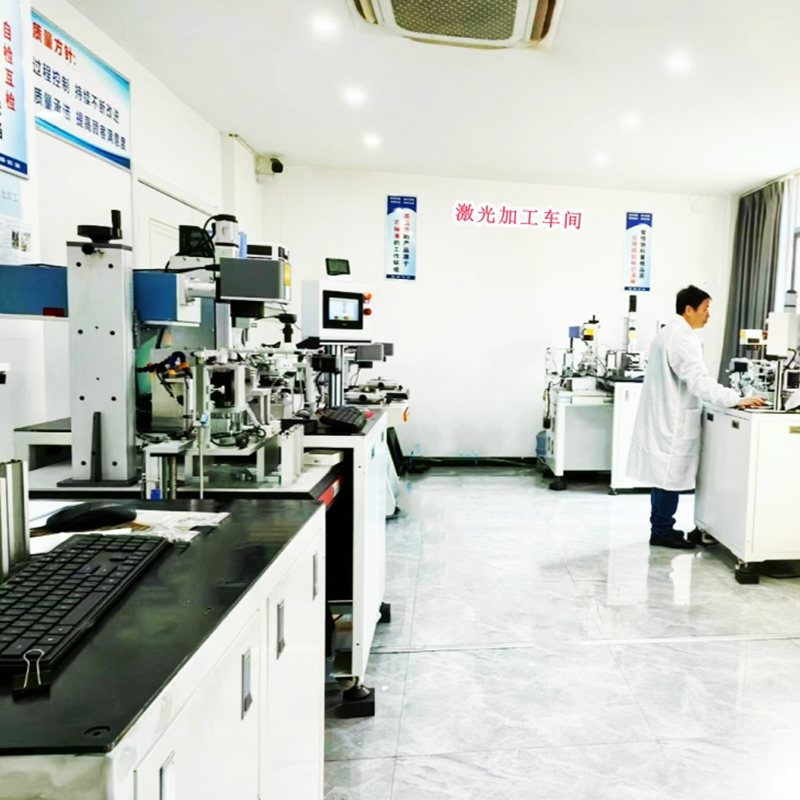
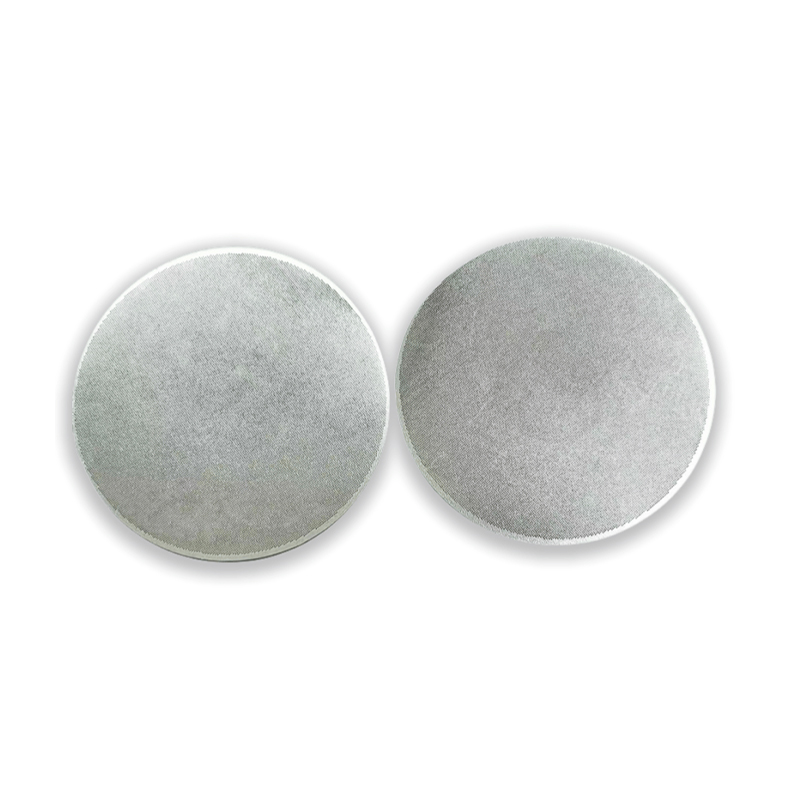
El procesamiento microporoso láser se puede personalizar para clientes con diferentes requisitos de microporoso de precisión, nuestro microporoso más pequeño de φ2μm y máximo de φ30um tiene una precisión de procesamiento muy alta, aplicable a materiales de acero inoxidable y materiales de aleación de titanio. Podemos realizar formas microporosas complejas y diseños de matrices para cumplir con los estrictos requisitos del procesamiento microporoso para filtros electrónicos de alta gama, filtros purificadores de agua, dispositivos médicos, instrumentos de precisión y otras industrias.
Saida Piezoelectric es una empresa tecnológica de renombre mundial especializada en la producción y fabricación de productos relacionados con la atomización médica. Somos China Tecnología de procesamiento de microagujeros láser de precisión Fabricantes y Personalizado OEM/ODM Tecnología de procesamiento de microagujeros láser de precisión Empresa. Nos hemos comprometido con la innovación, investigación y desarrollo, y promoción de cerámicas piezoeléctricas ultrasónicas, productos de atomización sin plomo, componentes electrónicos y soluciones de diseño de PCBA relacionadas. Nuestro objetivo es mejorar la calidad de vida de las personas a través de la tecnología y lograr un futuro más eficiente, verde y sostenible para la sociedad.
Desde su establecimiento en abril de 2011, la empresa ha estado a la vanguardia del desarrollo tecnológico, con un equipo de investigación y desarrollo excepcional, equipos avanzados de producción y fabricación, y equipos de prueba de precisión. Cubrimos una amplia gama de productos de atomización ultrasónica en nuestro campo profesional, incluyendo tabletas de atomización inhalable médica con plomo y sin plomo, tabletas de atomización para humidificadores, tabletas de atomización para aceites esenciales, tabletas de atomización industrial, así como productos de detección relacionados con soluciones de accionamiento piezoeléctrico ultrasónico y PCBA. No solo nos enfocamos en la investigación y desarrollo tecnológico profundo, sino que también aplicamos activamente los logros tecnológicos a la vida práctica, para que los productos tecnológicos realmente sirvan y beneficien a la sociedad, haciendo del mundo un lugar más emocionante y hermoso.
Certificación

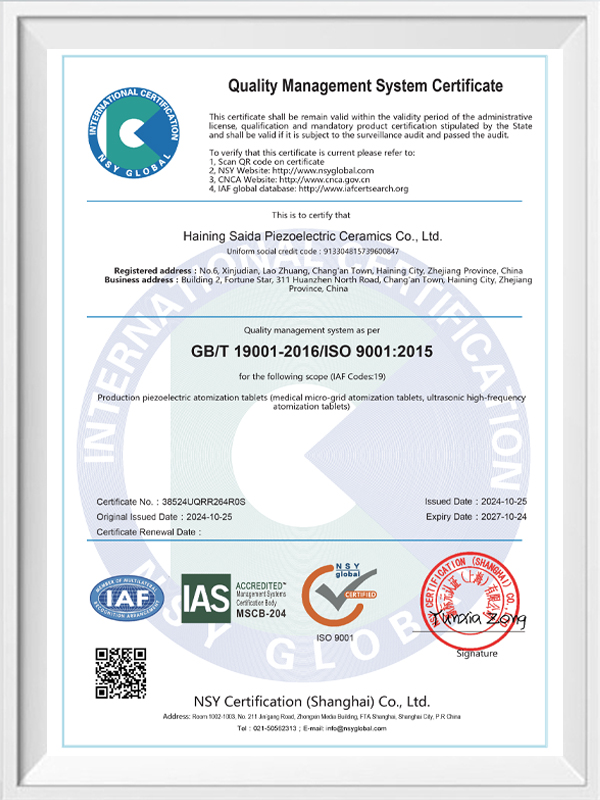
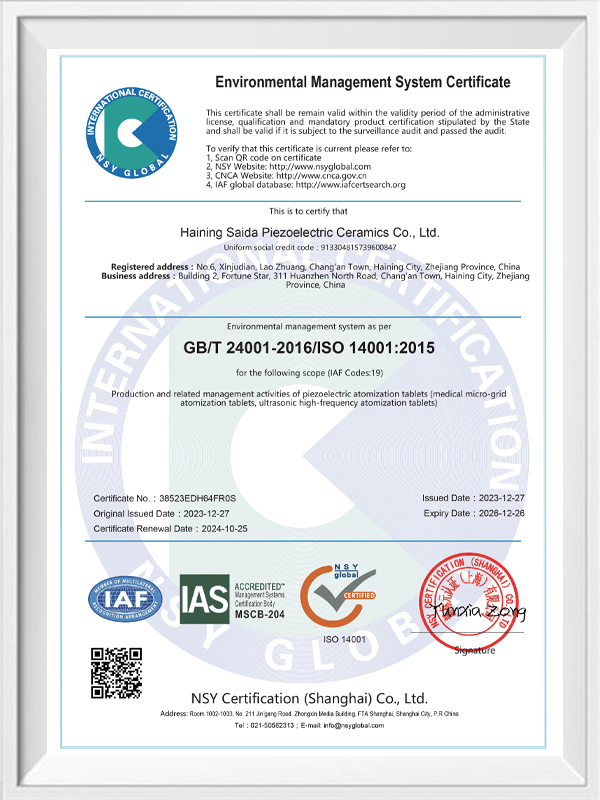
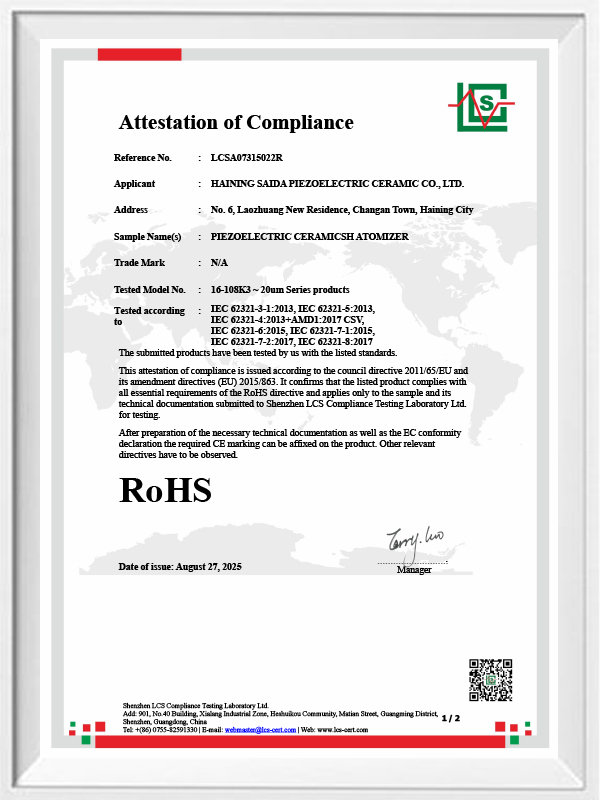
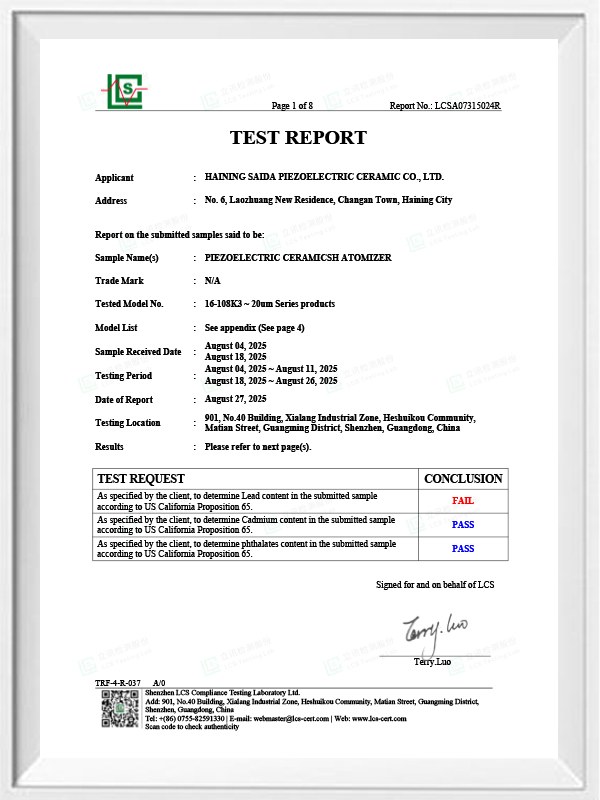
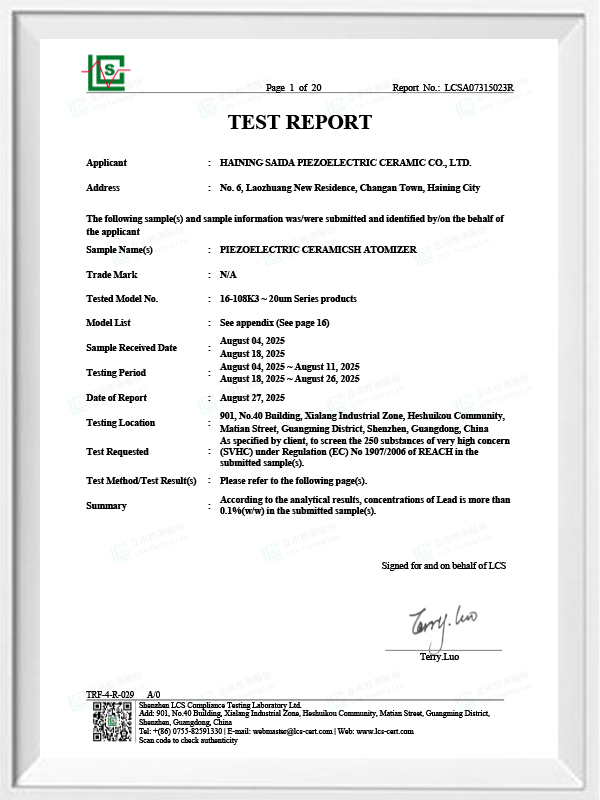
Nuestra serie de productos de atomización piezoeléctrica inhalable médica ha pasado todas las certificaciones requeridas para los estándares de exportación. Incluyen certificación ROHS, certificación del sistema de calidad ISO9001, certificación del sistema de salud GB/T45001-2020/ISO 45001:2018, GB/T28001-2001 idt OHSAS18001:1999 Certificación de Salud y Seguridad Ocupacional, certificación del sistema ambiental GB/T24001-2016/ISO 14001:2015, Proposición 65 de California, REACH, y los productos de atomización médica también han sido certificados por la FDA de EE. UU.


noticias
-
Noticias de la industria
Por qué el diseño de PCB de grado médico define el rendimi...
Por qué el diseño de PCB define el rendimiento de atomización en dispositivos médicos En un atomizador piezoeléctrico, la malla o disco vibratorio llama la atención. La PCB suele considerarse un componente de...
-
Noticias de la industria
¿Qué hace que las microvías láser de precisión sean decisi...
Donde la precisión de los microagujeros decide la calidad de la niebla Un atomizador piezoeléctrico convierte la energía eléctrica en una fina pulverización haciendo vibrar una fina malla metálica a alta frec...
-
Noticias de la industria
Cómo elegir el chip nebulizador de malla adecuado para dis...
el chip nebulizador de malla es mucho más que un simple accesorio. Es el núcleo diseñado el que determina la eficiencia del aerosol, la consistencia de la administración de medicamentos, la vida útil del...
Tecnología de procesamiento de microagujeros láser de precisión Extensión del conocimiento de la industria
How do parameters such as laser power, pulse frequency, and scanning speed affect the quality of Precision Precision Laser Micro-hole Processing Technology Technology?
Influence of laser power
Laser power is one of the core parameters that determine the processing effect. It directly determines the energy density of the laser beam when it acts on the material. Too high power may cause excessive melting or even vaporization of the material, resulting in irregular hole walls or expansion of the heat-affected zone (HAZ); while too low power may not effectively penetrate the material, resulting in processing failure. Accurate control of laser power is the key to achieving high-quality micro-hole processing.
In our Precision Precision Laser Micro-hole Processing Technology Technology, we use advanced laser equipment and precision control systems to ensure high-precision micro-hole processing on materials such as stainless steel and titanium alloys. For example, our Precision Precision Laser Micro-hole Processing Technology Technology technology can achieve micro-holes with a minimum of φ2μm and a maximum of φ30μm, meeting the strict requirements of medical devices and precision instruments for micro-hole size. This high-precision processing capability has been widely used in products such as medical atomizers and water purifier filters.
The selection of laser power also needs to consider the characteristics of the material. For example, for high reflectivity materials (such as copper and aluminum), we adjust the laser power and wavelength to reduce reflection loss and ensure processing efficiency and quality. For heat-sensitive materials, we reduce the heat-affected zone and avoid material deformation or damage by reducing power and optimizing processing parameters.
The role of pulse frequency
The pulse frequency determines the number of times the laser energy acts on the material per unit time. High pulse frequency can improve processing efficiency, but may cause heat accumulation and affect the quality of the hole wall; low pulse frequency helps to reduce the heat-affected zone, but will reduce the processing speed. The choice of pulse frequency requires finding a balance between efficiency and quality.
In our processing, we rely on advanced automatic laser drilling machines and precision testing equipment to flexibly adjust the pulse frequency according to customer needs. For example, in the manufacture of medical atomizers, we ensure the consistency of micropore shape and array layout by accurately controlling the pulse frequency, thereby improving the performance and reliability of the product. For micropore processing of complex shapes, we achieve high-precision processing effects by adjusting the pulse frequency and laser energy distribution.
The pulse frequency is closely related to the thickness and hardness of the material. For thicker or harder materials, we usually use higher pulse frequencies to improve processing efficiency; for thinner or softer materials, we use lower pulse frequencies to reduce the heat-affected zone.
Optimization of scanning speed
The scanning speed directly affects the residence time of the laser beam on the material surface. Too fast speed may lead to insufficient processing and incomplete micropores; too slow speed may cause overheating of the material, resulting in rough or deformed hole walls. Optimization of scanning speed is an important part of achieving high-quality micropore processing.
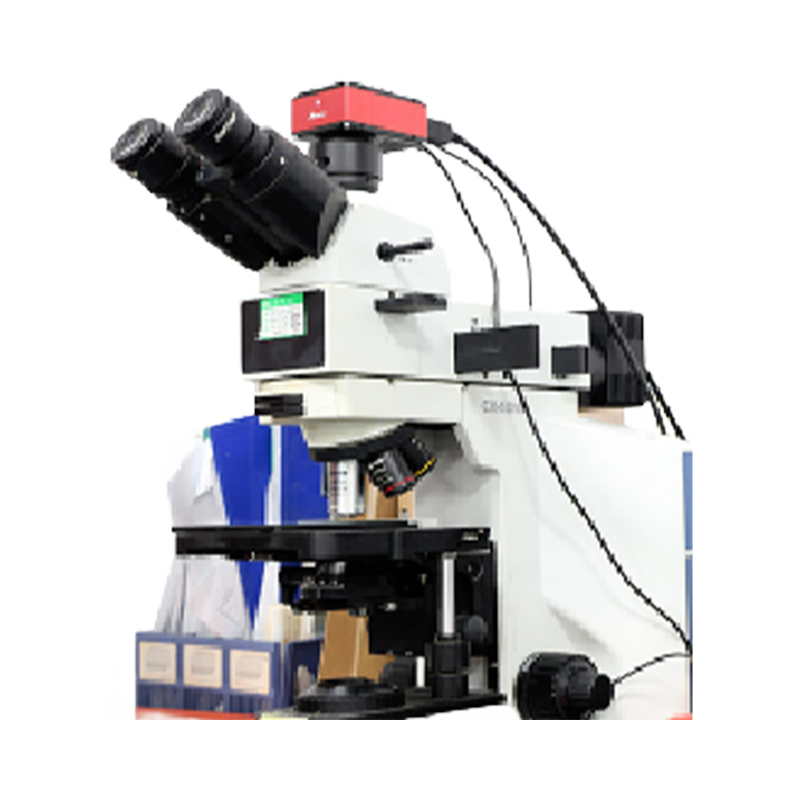
In our process flow, we optimize the scanning speed and combine testing equipment such as particle analyzers and metallographic microscopes to ensure that each process meets the highest standards. For example, in the micropore processing of water purifier filter elements, we achieve high-precision processing of complex micropore shapes by accurately controlling the scanning speed to meet customers' requirements for material physical and chemical properties and high-precision geometric dimensions.
The selection of scanning speed also needs to consider the synergistic effect of laser power and pulse frequency. Through experiments and data analysis, we have established a complete set of parameter optimization models that can quickly determine the optimal scanning speed according to different materials and processing requirements.
Application of Precision Laser Micropore Processing
Precision laser micropore processing technology is widely used in many fields. In the field of medical devices, we use high-precision micropore processing technology to manufacture excellent medical atomizer sheets for atomization treatment of inhalable drugs. In the field of electronic components, we provide high-precision micropore processing services for high-end electronic filter elements and precision instruments to ensure product performance and reliability.
In the field of environmental protection, our laser micropore processing technology is widely used in the manufacture of water purifier filter elements. By precisely controlling the size and distribution of micropores, we can significantly improve the filtration efficiency and life of the filter element. Our technology is also used in the aerospace field to provide high-quality micropore processing services for precision sensors and engine components.
Sé el primero en saber
Para ofertas exclusivas y las últimas ofertas, regístrate ingresando tu dirección de correo electrónico a continuación.
- Enlaces de productos
- Atomizador piezoeléctrico de malla médica
- Atomizador piezoeléctrico de película de polímero PI
- Atomizador piezoeléctrico de malla sin plomo KNN
- Chip de puesta a cero de malla sin plomo PI
- Atomizador piezoeléctrico de micromalla para calentador
- Atomizador piezoeléctrico para ventilador/humidificación/belleza
- Transductor atomizador ultrasónico
- Atomizador piezoeléctrico ultrasónico de alta frecuencia
- Atomizador piezoeléctrico con sensor de generación de energía/calefacción
- Diseño de PCB de atomizador piezoeléctrico médico
- Tecnología de procesamiento de microagujeros láser de precisión
- Contacto
-
Edificio 1, Fortune Star 2, No.311 Huanzhen North Road, ciudad de Chang'an, ciudad de Haining, provincia de Zhejiang, China.

-
+86-18006619680

-
+86-13777879680

-
Felix@saidapiezo.com

riney@saidapiezo.com
yugao@saidapiezo.com
emily@saidapiezo.com
dean@saidapiezo.com -
Felix: +86 18157327658

John: +86 18957351358
Emily: +86 18957339358
Dean: +86 15356418868
- Móvil